
Train Gangway Bridge Plates: Floor Interfaces Under Relative Vehicle Motion
Review supports, overlap, wear elements and passenger-contact interfaces when specifying gangway bridge plates for rolling stock.
· Gangway engineering · Ma'anshan Railwheel Industrial Technology Co., Ltd.
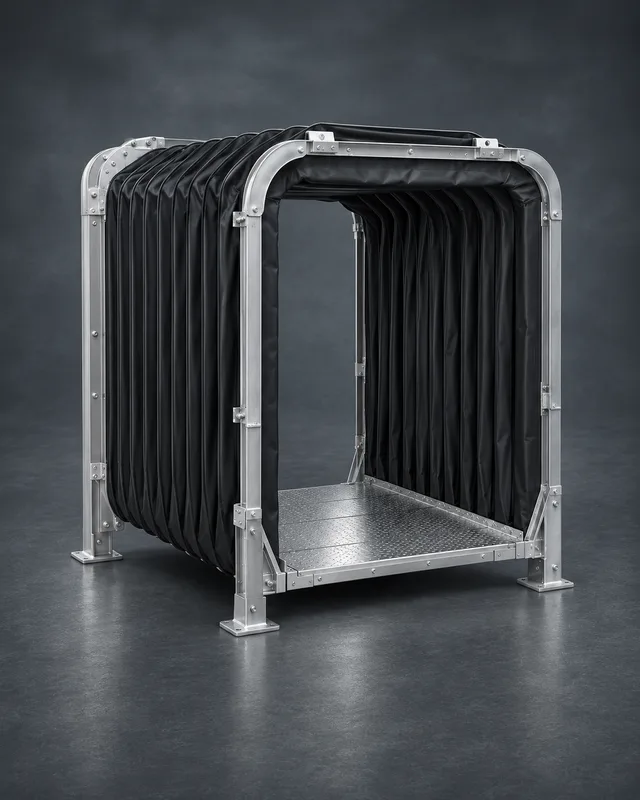
Define the floor system boundary
A bridge plate is part of a moving passenger passage, not simply a sheet spanning a gap. Identify its supports, sliding or articulated elements, adjacent floor finish and any removable maintenance sections. Determine which parts belong to the gangway supplier and which belong to the vehicle. Purchasing a plate without this boundary can omit the wear surfaces or retaining components required by the approved arrangement.
Evaluate motion at the walking surface
The geometry at the floor is influenced by relative car movement and the support arrangement. Use the approved combined movement cases rather than checking only the reference straight-track position. Review overlaps, edges and adjacent panels through those cases. A plate that looks continuous in a static photograph can behave differently in compression, lateral offset or roll. The authorized vehicle assessment must define acceptable passenger-contact conditions.
Separate structural and surface requirements
Strength, support stability and passenger surface performance are different acceptance questions. The specification should state applicable load cases, floor finish, access needs and environmental conditions through controlled project documents. Avoid choosing thickness from another vehicle merely because the opening width is similar. The design also depends on support spacing, material, joints and the intended motion mechanism.
Make wear elements identifiable
Sliding pads, rollers or other wear components need part identities and replacement criteria where included in the approved construction. A worn support can change plate behavior even when the visible top surface remains intact. Ask for the service documentation and the location of inspection points. Do not substitute a low-friction material solely by color or appearance; its accepted properties and configuration must remain controlled.
Plan inspection access
Maintenance staff need an approved way to observe supports, fasteners and concealed contact surfaces. Clarify the removal boundary and any restraints or special handling required by the vehicle procedure. Removable panels should retain their identity and orientation. Procurement should request the relevant maintenance documents as deliverables rather than assuming the workshop can reconstruct the arrangement after delivery.
Compare complete replacement offers
A quotation should distinguish a bare plate, a plate with wear elements and a complete floor assembly. Match each offer to the same drawing revision and acceptance requirements. Include packaging that prevents distortion and protects finished surfaces. During receiving inspection, reconcile the delivered parts with the assembly bill of materials before releasing them to the authorized installation process.
Application scenario
Illustrative metro overhaul: a replacement top plate is ordered by overall dimensions, but the retained sliding supports use a different interface revision. The workshop holds the parts while engineering resolves the complete floor configuration instead of modifying the plate locally.
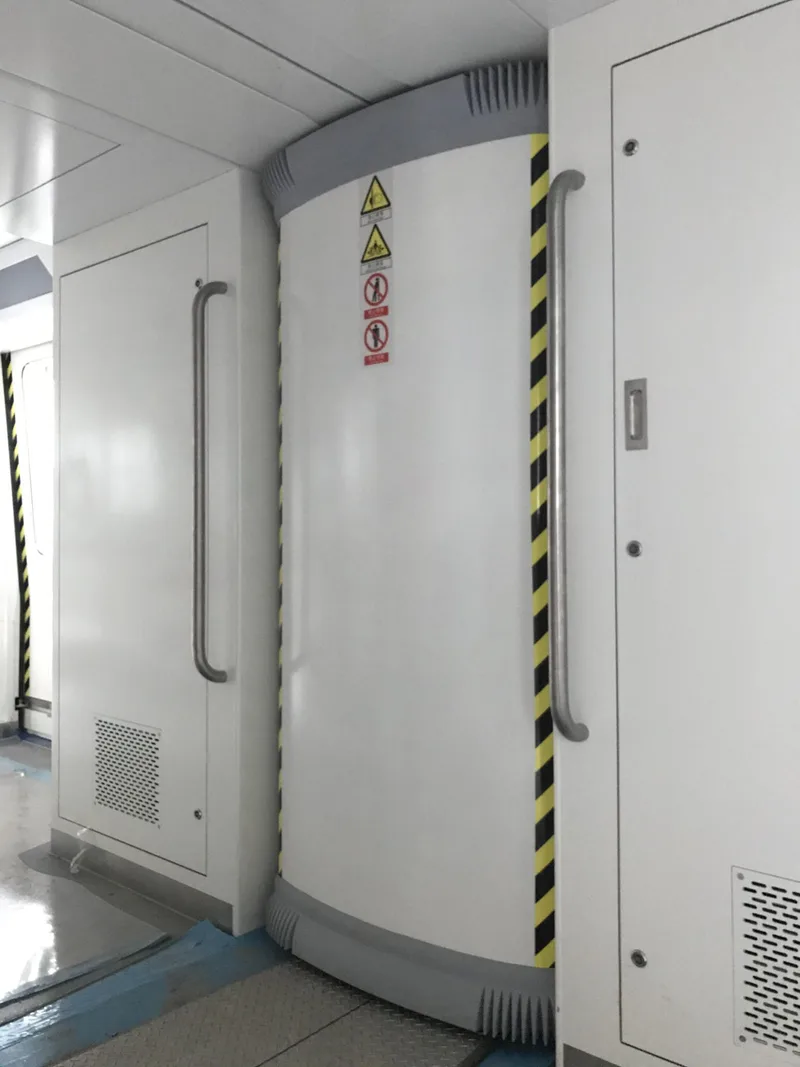
Technical review checklist
| Review item | Required definition | Purpose |
|---|---|---|
| Boundary | Plate, supports and wear items | Avoid incomplete supply |
| Motion | Approved floor geometry cases | Check the passage |
| Service | Inspection and replacement documents | Maintain accessibility |
| Receipt | Assembly bill of materials | Confirm configuration |
Frequently asked questions
Can thickness alone define a bridge plate?
No. Supports, loads, materials and movement interfaces also determine the approved design.
Can an old plate serve as the only specification?
It assists identification but may be worn or modified. Use the authorized replacement definition.
Technical references and scope
Public sources reviewed November 14, 2026 provide industry or standards-scope context. They do not transfer another manufacturer's approvals to Railwheel. Confirm the controlled standard edition, vehicle documents and acceptance criteria with the responsible authority. This article is procurement guidance, not installation, repair or service-release instructions.
Discuss your railway gangway requirement
Send the approved drawing and revision, application, quantity, required evidence and destination to Amy Sun at amy@railwheel.com. Scope and feasibility are confirmed through technical review before quotation.
 WhatsApp
 WeChat