
Railway Gangway Interface Drawings: Controlling the Car-End Boundary
Define mounting datums, tolerances and ownership before comparing railway gangway quotations or approving a replacement assembly.
· Gangway engineering · Ma'anshan Railwheel Industrial Technology Co., Ltd.
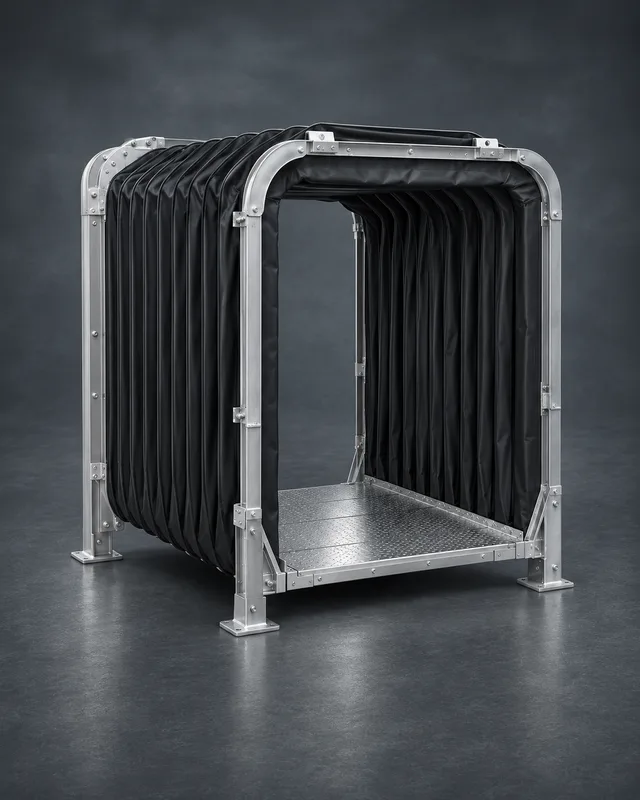
Start with an interface, not a photograph
A gangway joins two moving vehicle structures while providing an enclosed passenger passage. A photograph can identify its general arrangement but cannot define the car-end boundary. Start with the approved car-body opening, mounting contour, reference position and assembly scope. Identify which organization owns the body structure, flexible enclosure, bridge plate and interior panels. Missing ownership at a boundary creates a design gap, even when every individual supplier drawing appears complete.
Establish common datums
Both car ends need a coordinated datum system. Record the reference vehicle condition used to locate mounting holes, sealing faces and floor heights. Manufacturing tolerances must be distinguished from vehicle displacement in service. Combining nominal dimensions from unrelated drawings without a shared reference can produce an assembly that fits neither end correctly. The interface review should identify revision status and any unresolved dimension rather than allowing the workshop to choose a convenient local reference.
Review the complete tolerance chain
Body opening, adapter frame, sealing compression and attachment clearances interact. Review these as a stack, not as isolated maximum and minimum dimensions. A bolt pattern that fits at nominal position does not establish acceptable sealing or movement reserve. Ask the responsible designer to resolve the limiting combinations and document the accepted assumptions. Do not compensate for an unapproved mismatch by changing hole sizes or trimming the frame during installation.
Define the delivered boundary
A complete gangway and a bellows-only replacement require different documents. The quotation should identify brackets, fasteners, seals, floors, handrails and trim supplied or excluded. Buyer-supplied components need their own controlled interfaces. Treat electrical bonding or other system connections as explicit project requirements where applicable, not automatic features of a flexible enclosure. This boundary schedule makes technical and commercial offers comparable.
Use a controlled interface review
At design review, list each interface, its drawing owner, revision, open issue and release authority. Resolve discrepancies before manufacturing release. Record approved deviations in the same configuration system as the baseline drawings. A supplier sketch can explain a proposal but should not silently supersede the vehicle definition. The approved review record must be available to inspection and installation personnel, not only to the purchasing team.
Close the handover
Inspection records should identify the actual assembly and reference the released interface documents. Verify mounting geometry and any specified functional checks against the agreed inspection plan. Shipment paperwork should preserve assembly identity and orientation. On receipt, discrepancies belong in a controlled hold and review process. This article does not authorize installation modifications or vehicle release; those decisions remain with the designated engineering and maintenance authorities.
Application scenario
Illustrative metro refurbishment: a new bellows frame matches the opening width but its mounting datum differs from the existing vehicle drawing. Procurement pauses release, reconciles both references and obtains an approved adapter definition. This is a hypothetical review example, not a Railwheel project claim.
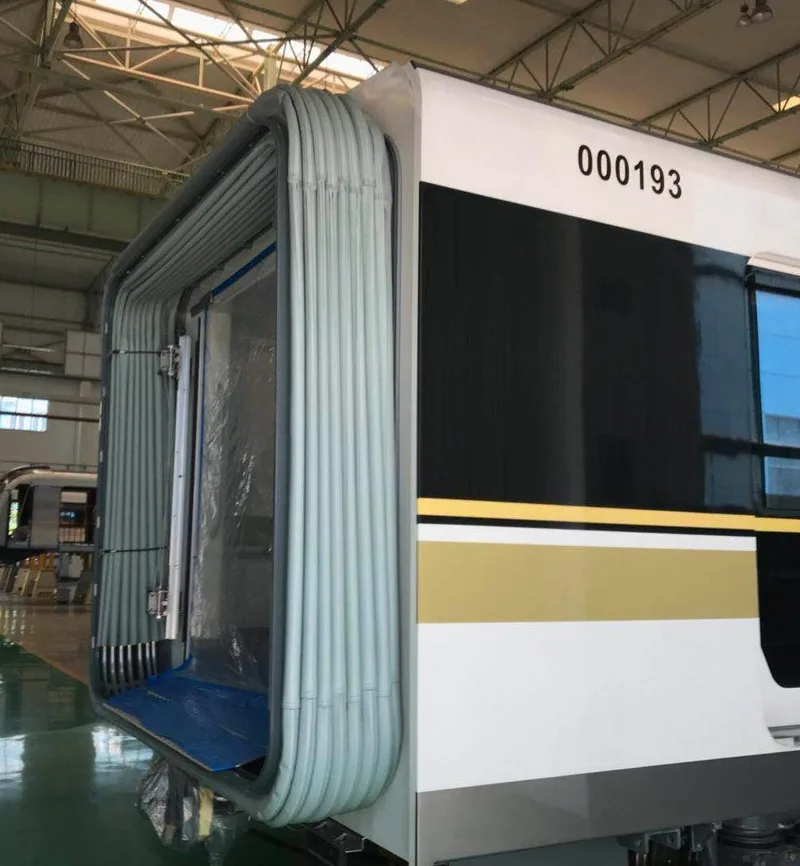
Technical review checklist
| Review item | Required definition | Purpose |
|---|---|---|
| Datum | Vehicle reference and condition | Coordinate both ends |
| Tolerance | Accepted interface stack | Avoid nominal-only fit |
| Boundary | Included and excluded parts | Compare quotations |
| Release | Revision and approval record | Preserve configuration |
Frequently asked questions
Can a sample replace the interface drawing?
A sample supports identification but may contain wear or previous modifications. Use an approved engineering definition for procurement.
Who approves an adapter frame?
The project must assign approval to the responsible vehicle engineering authority; supplier convenience alone is not approval.
Technical references and scope
Public sources reviewed November 14, 2026 provide industry or standards-scope context. They do not transfer another manufacturer's approvals to Railwheel. Confirm the controlled standard edition, vehicle documents and acceptance criteria with the responsible authority. This article is procurement guidance, not installation, repair or service-release instructions.
Discuss your railway gangway requirement
Send the approved drawing and revision, application, quantity, required evidence and destination to Amy Sun at amy@railwheel.com. Scope and feasibility are confirmed through technical review before quotation.
 WhatsApp
 WeChat