
Train Gangway Noise Control: Sealing, Transmission Paths and Measurement Scope
Specify acoustic requirements for passenger gangways by identifying transmission paths and comparable measurement conditions.
· Gangway engineering · Ma'anshan Railwheel Industrial Technology Co., Ltd.
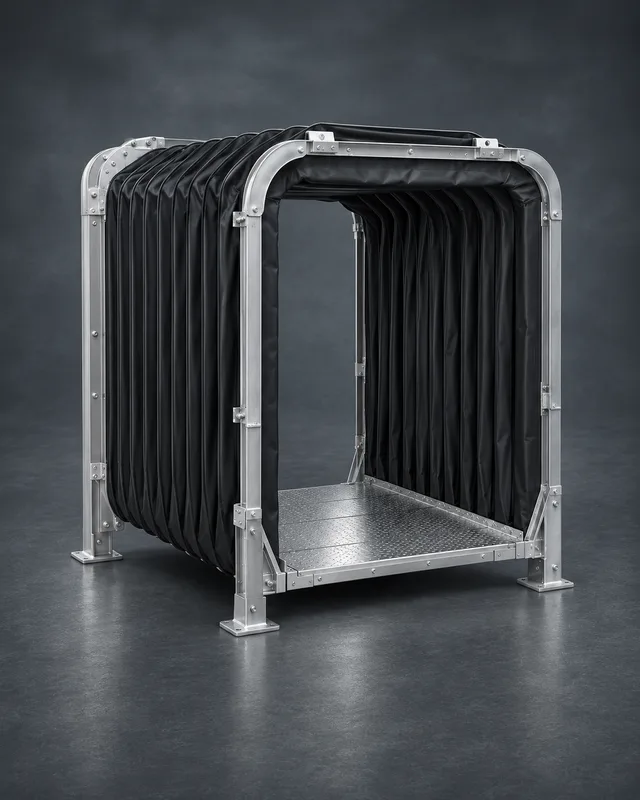
Define the acoustic question
Passenger complaints can involve airborne sound, structure-borne transmission or noise generated by moving passage components. These mechanisms require different investigations. Establish the operating condition, measurement location and symptom before selecting replacement materials. A general request for a quieter gangway does not define a reproducible supplier acceptance test or identify which boundary the supplier can influence.
Review airborne leakage paths
The enclosure material is only part of an acoustic boundary. Joints, attachment transitions and discontinuities can affect performance. Inspect the complete approved sealing arrangement and identify retained vehicle structures outside the supply scope. Material data may support selection, but it cannot independently describe the installed performance of a gangway assembled with different joints and surrounding panels.
Distinguish structure-borne routes
A mounting frame or adjacent vehicle structure can transmit vibration independently of an airborne leak. The vehicle team's investigation should establish whether structural excitation contributes to the complaint. Adding soft material at an attachment without authorization can change alignment, load transfer or movement behavior. Acoustic modifications must therefore be reviewed with mechanical interface requirements, not implemented as isolated trim improvements.
Control component-generated noise
A sliding floor, worn support or loose interior element can produce noise associated with relative movement. Record when the noise occurs and connect it to the approved inspection process. Do not interpret every intermittent sound as inadequate fabric insulation. Maintenance findings and the actual floor configuration may be more relevant to the cause than a generic enclosure material comparison.
Compare equivalent measurements
A useful specification identifies the measured quantity, locations, operating or test conditions and acceptance basis. Compare evidence taken under equivalent conditions and within the same supply boundary. A laboratory material result and an onboard measurement answer different questions. The project must decide what evidence is sufficient and how vehicle-level background sources are treated; no universal reduction value is asserted here.
Review changes across disciplines
An acoustic proposal can affect mass, clearance, fire behavior, drainage and maintenance access. Check these requirements before approving a changed lining or seal. Preserve the accepted material and assembly identities in the configuration record. Where vehicle-level measurement is required, state who supplies the instrumentation, performs the test and accepts the result so that those responsibilities are not discovered after delivery.
Application scenario
Illustrative commuter train: a noise complaint appears mainly during curving. Inspection finds a worn floor support rather than an open bellows seam. The operator resolves the support issue through the approved maintenance route before considering a different acoustic lining.
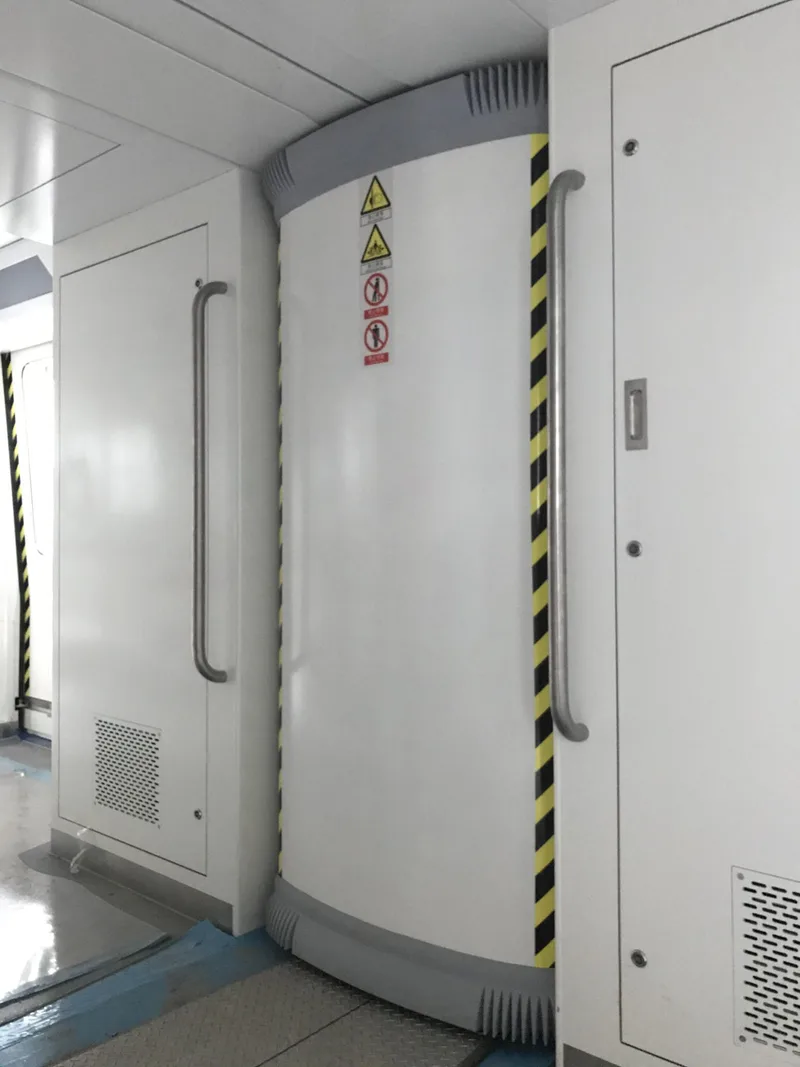
Technical review checklist
| Review item | Required definition | Purpose |
|---|---|---|
| Mechanism | Airborne, structural or component noise | Choose the investigation |
| Boundary | Enclosure and retained vehicle parts | Allocate responsibility |
| Measurement | Quantity, position and conditions | Compare like for like |
| Change | Mechanical and fire review | Avoid a single-discipline fix |
Frequently asked questions
Does thicker fabric guarantee lower onboard noise?
No. Installed transmission paths and other sources must be considered.
Can a supplier promise a universal noise reduction?
A meaningful claim needs defined test conditions, boundary and evidence applicable to the offered configuration.
Technical references and scope
Public sources reviewed November 14, 2026 provide industry or standards-scope context. They do not transfer another manufacturer's approvals to Railwheel. Confirm the controlled standard edition, vehicle documents and acceptance criteria with the responsible authority. This article is procurement guidance, not installation, repair or service-release instructions.
Discuss your railway gangway requirement
Send the approved drawing and revision, application, quantity, required evidence and destination to Amy Sun at amy@railwheel.com. Scope and feasibility are confirmed through technical review before quotation.
 WhatsApp
 WeChat