
Railway Gangway Water Ingress: Separating Seals, Drainage and Condensation
Investigate water paths through bellows, frame joints and floor transitions without assuming every wet surface indicates a fabric defect.
· Gangway engineering · Ma'anshan Railwheel Industrial Technology Co., Ltd.
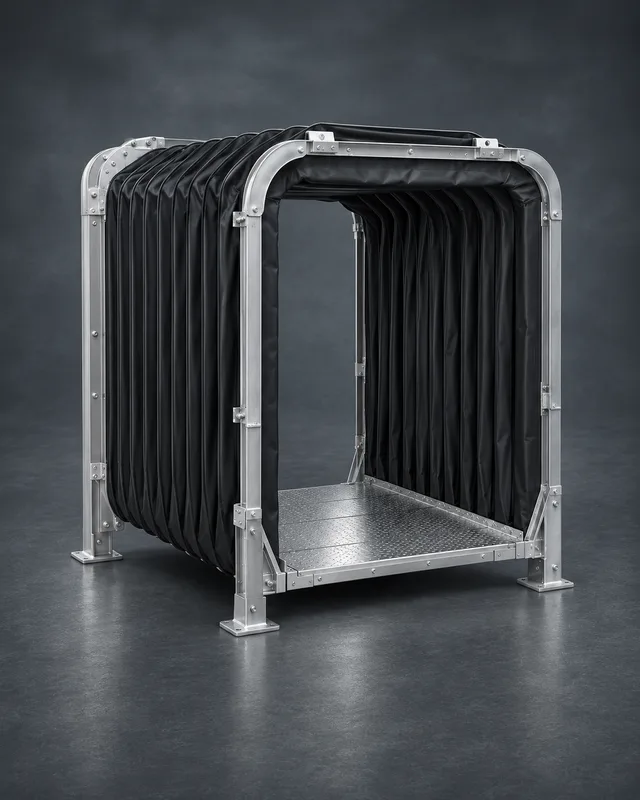
Identify the source before changing the seal
Water inside a gangway can originate at the bellows, car-body attachment, roof transition, floor interface or an adjacent vehicle system. Condensation presents a different problem from rainwater ingress. Record weather, washing activity, vehicle orientation and the first observed wet location. A photograph of pooled water identifies the consequence, not necessarily the entry point. Review the approved installation drawing before proposing an additional seal.
Trace the installed water path
Inspect the route from the exterior boundary to the observed collection point using the project's maintenance procedure. Consider joints and overlaps as well as the fabric. Water can travel along a frame before becoming visible elsewhere. Keep the evidence tied to the actual vehicle and assembly identity. Do not infer a failed seam from the location of a drip without checking upstream interfaces and the adjacent body structure.
Preserve the intended drainage route
A drainage opening and an unintended gap are not interchangeable. Extra sealant can obstruct an approved escape path and redirect water toward the passenger floor or concealed structure. Obtain the drainage arrangement, expected orientation and access requirements from the design owner. Any proposed modification needs review for movement, maintenance and material compatibility; sealing every visible opening is not a general solution.
Specify a repeatable investigation
Define the exposure method, vehicle condition, duration, inspection locations and acceptance criteria before evaluating a repair or replacement. Use the approved project method rather than an improvised pressure washer test. Record any temporary covers or disconnected systems because they affect interpretation. A dry result under one condition cannot automatically demonstrate performance under all movement and exposure conditions considered by the vehicle specification.
Distinguish condensation from leakage
Temperature and humidity differences can create moisture on internal surfaces even when an exterior boundary remains intact. Investigators should record the operating conditions and consult the vehicle environmental requirements. Material replacement alone may not address a thermal or ventilation cause. Conversely, identifying condensation at one location should not be used to dismiss a separate, documented external leak. Keep the two mechanisms distinguishable in the defect report.
Close the corrective action
Document the verified cause, approved disposition and the evidence used to accept the result. Replacement materials and sealants must remain compatible with the released construction and its fire requirements. Update the maintenance information when the authorized design changes. Store inspection photographs with orientation and assembly references so a later recurrence can be compared rather than treated as an unrelated complaint.
Application scenario
Illustrative regional train investigation: water appears beside a bridge plate after washing. Inspection traces it to a car-body transition rather than the bellows fabric. The approved correction addresses that joint and confirms that the existing drainage route remains open. This is a hypothetical diagnostic example, not a delivered Railwheel project.
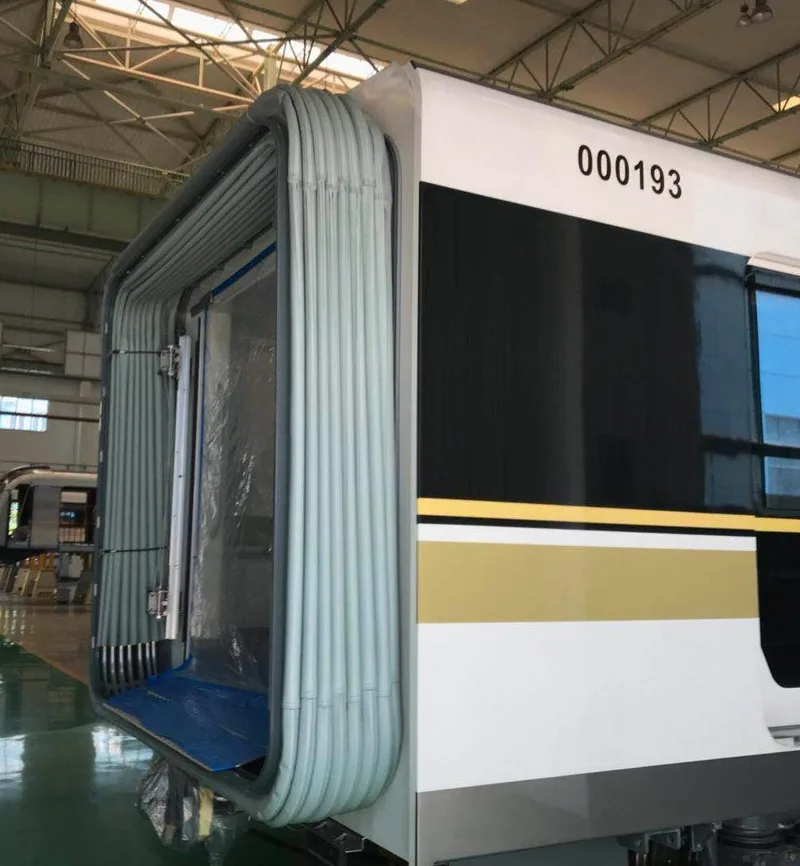
Technical review checklist
| Review item | Required definition | Purpose |
|---|---|---|
| Observation | Exposure and first wet location | Separate symptom from source |
| Route | Frame, body and bellows interfaces | Trace migration |
| Drainage | Approved openings and orientation | Avoid trapping water |
| Acceptance | Defined exposure and inspection method | Make results repeatable |
Frequently asked questions
Should all gaps be filled with sealant?
No. Some openings may serve drainage or movement functions. Obtain the approved arrangement before modification.
Does a wet interior prove damaged fabric?
No. Investigate mounting joints, adjacent structures and condensation as distinct possible causes.
Technical references and scope
Public sources reviewed November 14, 2026 provide industry or standards-scope context. They do not transfer another manufacturer's approvals to Railwheel. Confirm the controlled standard edition, vehicle documents and acceptance criteria with the responsible authority. This article is procurement guidance, not installation, repair or service-release instructions.
Discuss your railway gangway requirement
Send the approved drawing and revision, application, quantity, required evidence and destination to Amy Sun at amy@railwheel.com. Scope and feasibility are confirmed through technical review before quotation.
 WhatsApp
 WeChat