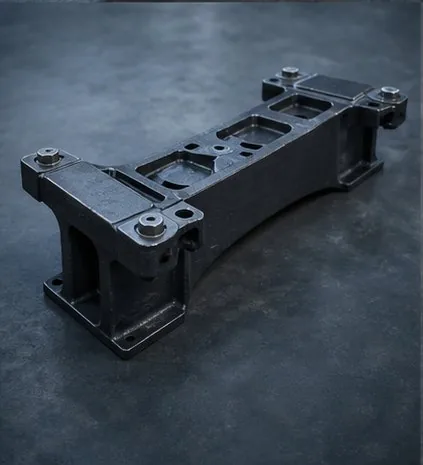
 high speed train bolster
High Speed Train Bolster overview for industrial buyers
High Speed Train Bolster is developed for buyers who need a dependable bolster solution for high speed train equipment. Railwheel supports technical communication around drawings, material grade, axle load, wheel profile, bogie interface, brake arrangement, bearing seat details and maintenance requirements before quotation. This page is written for procurement teams comparing railway wheel manufacturer, train wheel supplier, railroad wheel exporter and railway spare parts factory options worldwide.
For high speed train projects, the purchasing risk usually comes from incomplete drawings, unclear acceptance standards, missing inspection records or poor export packing. Railwheel reduces that risk by asking for the information that affects performance: operating speed, axle load, track condition, wheel diameter, tread profile, interface dimensions, heat treatment requirements and inspection plan. The result is a quotation process that is more technical and more useful for international B2B buyers.
Technical specifications
| Product | High Speed Train Bolster |
|---|---|
| Main keyword | high speed train bolster |
| Application | High Speed Train |
| Material basis | cast steel or fabricated bolster |
| Manufacturing route | casting or welding, heat treatment, machining and dimensional verification |
| Standards | bogie suspension and load transfer requirements |
| Inspection focus | dimension inspection |
| Supply model | OEM, custom manufacturing, replacement supply and export procurement |
Applications
This product is suitable for high speed train rolling stock, rail maintenance programs, OEM manufacturing projects and railway component replacement orders. Buyers may use it in freight wagons, passenger coaches, locomotives, metro vehicles, mining railway vehicles, industrial rail carts or special rail equipment depending on the drawing and operating condition. Related buyer searches include Side Frame, Bogie Frame, Railway Bogie, railway components, railway casting and railway forging.
Advantages
- Technical review before quotation to confirm drawing, material and standard requirements.
- Support for high axle load applications where dimensional control and inspection records matter.
- Export communication in English with packing, labeling and documentation discussion.
- Internal links to related railway wheel, wheelset, axle, bogie and spare parts pages for easier buyer research.
Manufacturing process
The manufacturing route normally follows casting or welding, heat treatment, machining and dimensional verification. For wheels and axles, heat treatment and machining accuracy are central to fatigue life and interface reliability. For cast or fabricated bogie parts, dimensional stability, crack inspection and surface preparation are important. For spare parts, the process is matched to the drawing, material certificate and inspection plan agreed with the buyer.
Inspection and quality control
Inspection for High Speed Train Bolster may include material certificate review, chemical analysis, mechanical property confirmation, dimension inspection, dimensional inspection, surface inspection and final packing check. Buyers can request inspection records before shipment. When a third-party inspection or customer witness point is required, it should be discussed during the quotation stage so production and delivery planning can include it.
Packaging and shipping
Export packing is selected according to weight, surface protection, route and destination. Common options include steel frame packing, wooden case packing, pallet packing, anti-rust treatment, part labels and packing photos. Railwheel can discuss sea freight, rail freight or truck shipment with buyers and can prepare practical documentation for international railway component procurement.
Engineering and procurement notes
When a buyer evaluates High Speed Train Bolster, the first technical question is whether the component matches the actual operating environment. High Speed Train equipment can have different duty cycles, brake arrangements, axle loads and maintenance intervals, so Railwheel asks buyers to confirm the drawing revision, wheel profile or interface dimensions, material grade and acceptance standard before a quotation is finalized.
The second question is documentation. Industrial railway buyers often need records for internal approval, government inspection, end-user acceptance or maintenance traceability. Railwheel can discuss material certificates, inspection reports, packing photos and shipment documents according to the risk level of the bolster project.
The third question is long-term replacement planning. A single sample order may solve an urgent maintenance requirement, but many operators need a repeatable supply route for future railway wheel, train wheel, railroad wheel, wheelset, axle, bogie or spare parts demand. Railwheel therefore keeps the inquiry record organized around drawings, standards, quantities and export destinations.
For high speed train operators, maintenance teams may also need clear identification on the component and packing. Part name, drawing number, heat number, batch number and purchase order reference can make warehouse receiving and future reordering easier. This is especially useful when the buyer manages several rail vehicle types or multiple railway spare parts suppliers.
If the product is used in a safety-critical position, the buyer should define witness points before production. Examples include raw material review, pre-machining inspection, final dimensional inspection, non-destructive testing and packing approval. Railwheel can discuss these checkpoints during the offer stage so the delivery schedule reflects real inspection needs.
Commercial evaluation should include more than price. Buyers should compare technical response quality, standard understanding, export packing plan, document availability and communication speed. A slightly cheaper quotation can become expensive if the product does not match the drawing, if documentation is incomplete or if packing is not suitable for long-distance transport.
Before placing an order, buyers should align their engineering, purchasing, quality and logistics teams around the same technical scope. This avoids a common problem where engineering approves one drawing, purchasing requests another description and logistics expects a different packing method. A shared inquiry document helps the supplier quote accurately and helps the buyer compare offers fairly.
For repeat programs, Railwheel recommends keeping a simple product file for each High Speed Train Bolster: drawing, standard, quotation history, certificate history, packing photos, destination records and feedback from the maintenance team. This file becomes valuable when the buyer needs urgent replacement supply or when the same bolster is used across several rail projects.
FAQ
Can this product be customized?
Yes. Send drawings, standards, material requirements, target quantity and application details. Railwheel will review whether the product should be quoted as a standard item, modified item or custom manufacturing project.
What standards can be discussed?
Buyers can discuss bogie suspension and load transfer requirements, as well as project-specific inspection requirements. The final acceptance standard should be confirmed before production.
What information is needed for a fast quotation?
Please provide the product name, drawing, standard, quantity, destination, inspection requirements and expected delivery schedule.
 WhatsApp
 WeChat