
Inter-Car Passage Interiors: Coordinate Side Panels, Handrails and Floor Plates
Review interior gangway refurbishment as an interface project involving moving panels, handrails and walking surfaces, not a cosmetic replacement exercise.
· Passenger Access · Ma'anshan Railwheel Industrial Technology Co., Ltd.
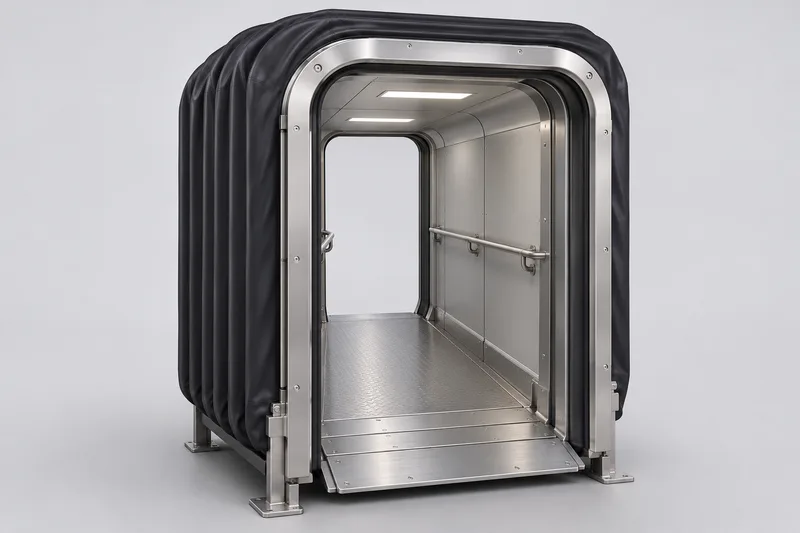
An interior finish is also a moving interface
Side panels and floor elements help define the passenger passage through a moving vehicle connection. Their appearance is only one requirement. The proposed arrangement must be assessed against the approved motion and clearance conditions. A refurbishment that changes panel thickness, handrail location or floor construction can affect interfaces even when the outer bellows remains unchanged.
Define the walking-surface arrangement
Different gangway systems use different floor concepts; Dellner's public metro portfolio lists multiple options. Identify the actual design before specifying replacement plates or covers. The RFQ should reference the floor assembly and the acceptance requirements for its interfaces and transitions. Do not infer permissible gaps, overlap or slip characteristics from a reference photograph.
Engineering principle: evaluate relative geometry, not isolated coordinates
A passenger-contact risk can arise from the relative positions of two moving elements even if each independently stays inside its own permitted region. Side panel, rail and floor interfaces therefore need a shared reference and combined review. The project should identify the relevant vehicle conditions and passenger-access requirements through its authorized design process. A supplier's panel drawing can be correct as a component document while still leaving an unresolved assembly interface. That distinction is why an interior refurbishment requires coordination rather than separate cosmetic approvals for every visible part.
Coordinate panels and handrails together
Establish which panels move relative to which frames and how the handrails attach. Include the relevant maintenance and removal space. A supplier responsible only for a decorative panel cannot independently approve its relationship to an unchanged moving handrail. Use a common interface drawing and assign review responsibility for each interaction instead of asking several suppliers to approve isolated parts.
Assess accessibility and passenger contact requirements
The responsible vehicle authority must identify applicable passage, accessibility and passenger-contact requirements. Carry those requirements into the design review and acceptance plan rather than using a visual judgment that the passage looks wide enough. Material and surface requirements must reference the actual supplied construction. This article intentionally gives no universal gap or clearance limits.
Make refurbishment configuration visible
A fleet can contain different approved interior variants. Record which vehicles or assemblies use each revision and control how replacement stock is allocated. If new panels require associated brackets or floor parts, state those dependencies on the parts list. A visually improved component should not enter stock without the documentation needed to identify where it is approved for use.
Application scenario
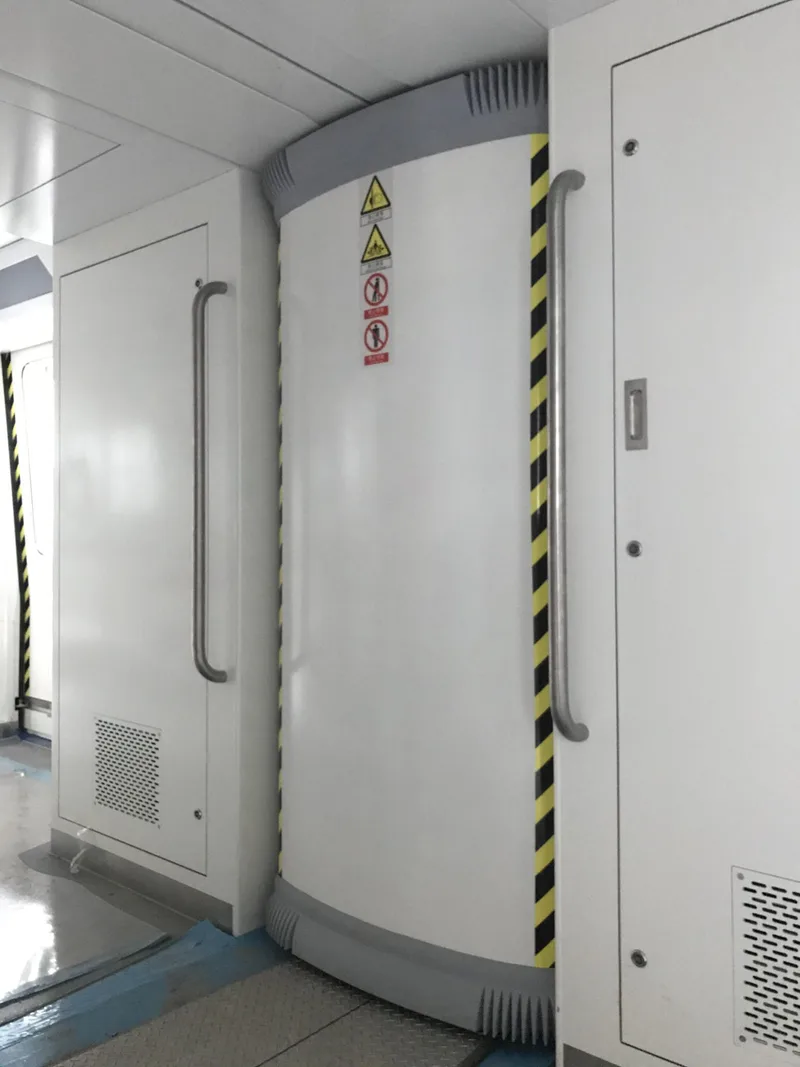
Illustrative scenario: a metro interior upgrade replaces side panels while retaining handrails and floor hardware. The team creates a combined interface drawing and reviews the defined movement cases. This prevents the panel supplier's drawing approval from being misread as approval of the entire passenger passage. The supplied brochure photographs illustrate arrangements, not a verified Railwheel refurbishment project.
Technical review checklist
| Review item | Required definition | Purpose |
|---|---|---|
| Floor | Approved system and transition definition | Controls the walking interface |
| Side panels | Movement and attachment references | Checks contact and clearance |
| Handrails | Mounting and relative motion | Coordinates passenger-contact features |
| Fleet variants | Configuration applicability list | Controls replacement allocation |
Frequently asked questions
Can panels be changed without reviewing the gangway?
A change needs the review required for its interfaces and the approved vehicle configuration, even if the outer bellows remains unchanged.
Do the application photos provide allowable dimensions?
No. They show reference arrangements; the controlled vehicle documents define dimensions and acceptance limits.
Technical references and scope
Public sources reviewed November 14, 2026 provide industry or standards-scope context. They do not transfer another manufacturer's approvals to Railwheel. Confirm the controlled standard edition, vehicle documents and acceptance criteria with the responsible authority. This article is procurement guidance, not installation, repair or service-release instructions.
Discuss your inter-car connection requirement
Send the approved drawing and revision, application, quantity, required evidence and destination to Amy Sun at amy@railwheel.com. Scope and feasibility are confirmed through technical review before quotation.
 WhatsApp
 WeChat